 Canadian Intelligence AgencyBook a free call
Briefing
Invoices, entered.
Someone types every invoice in. Vendor invoices arrive as PDFs, photos and emails. Someone reads each one and types it into the accounting system. Then chases the late payers by hand.
The job, gone
Every invoice entered and coded within a day of arriving, waiting for one click. Overdue reminders send themselves.
Book a free 30-minute call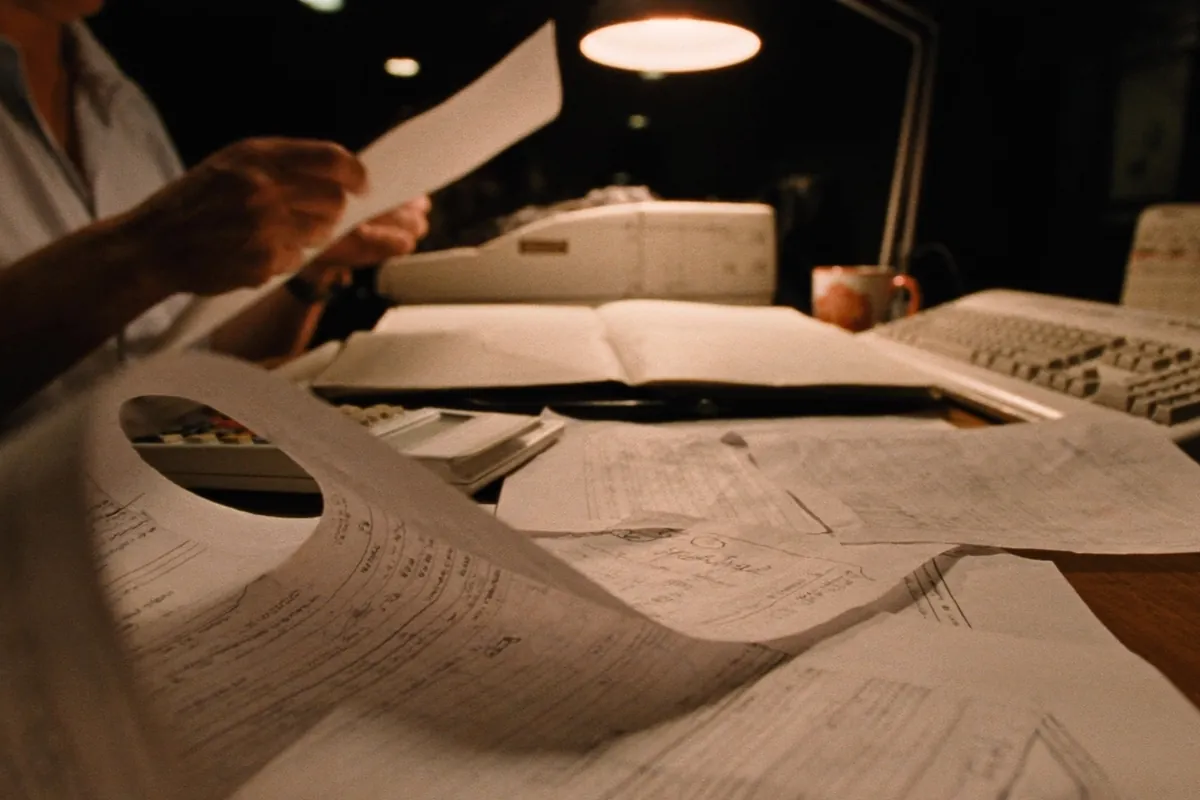
Who does this today.
A bookkeeper or an office admin.
200 invoices a month at 4 minutes each is 13 hours of typing.

Then and now.
The job, done by hand.
| 10:15 | an invoice arrived from a packaging supplier (PDF, French) | read |
| 10:15 | vendor matched to supplier record; GL code 5120 Materials; tax parsed | coded |
| 10:16 | queued in QuickBooks as a bill awaiting approval | queued |
| 10:31 | a purchase order arrived from a regular retail customer; 6 lines read | read |
| 10:31 | line 4 unit price differs from the price list by 12% | flagged |
| 10:31 | order entered on hold; flag sent to the order desk | waiting |
| 14:05 | the controller approved 9 bills in one click | approved |
| 17:00 | day summary: 23 entered, 1 flagged, 0 duplicates | done |
The job, done by the system. See the operation
How big is your pile?
Preset to invoices. Change the numbers to yours.
0 hours
a month your team gets back. About 0 working days a year.
Count × minutes ÷ 60. A projection from your numbers, not a measured result. On the call we check it against how your team really works.
Book a free 30-minute callBehind the curtain.
What a person sees
An approval queue, not a data-entry screen. Each bill shows the original beside the fields the AI filled. Approve, fix or reject.
What it may do alone
Enters and codes on its own; never approves, pays or sends. Duplicates and price mismatches are held.
Who answers for it
A named approver in the accounting system. The log keeps the source document, the fields and who approved.
Whose work changes
The bookkeeper approves and handles exceptions. Month-end starts with the books already current.
- line 4 unit price differs from the price list by 12%Decide
- order entered on hold; flag sent to the order deskDecide
These four questions are our doctrine. They are answered in writing for every system before it runs.
The target we would agree.
Written down before we build. Measured against your own check.
Every invoice entered within one business day, with fewer than 1 in 50 needing a correction, within 60 days of launch.
On every build, we agree on a target with you before we start. If we miss it, we keep working at no extra cost.
Three questions.
What about handwritten or scanned invoices?
It reads scans and photos. Anything it cannot read with confidence goes to a person.
French invoices?
Yes. English and French.
Does it touch payments?
No. It enters, codes and reminds. People approve and pay.
See it on your own pile.
Book a free 30-minute call. Bring one week of the pile; we'll show you what the system would have done with it.
Book my free call