 Canadian Intelligence AgencyBook a free call
Briefing
Every attachment, filed.
Our files live in five inboxes and one laptop. "Where's the signed quote?" Someone stops what they're doing and digs. Every project's paperwork lives in whoever's inbox it arrived in, and in one person's downloads folder.
The job, gone
Every attachment filed to the right job by 9 am, every day. Any document found in seconds by asking.
Book a free 30-minute call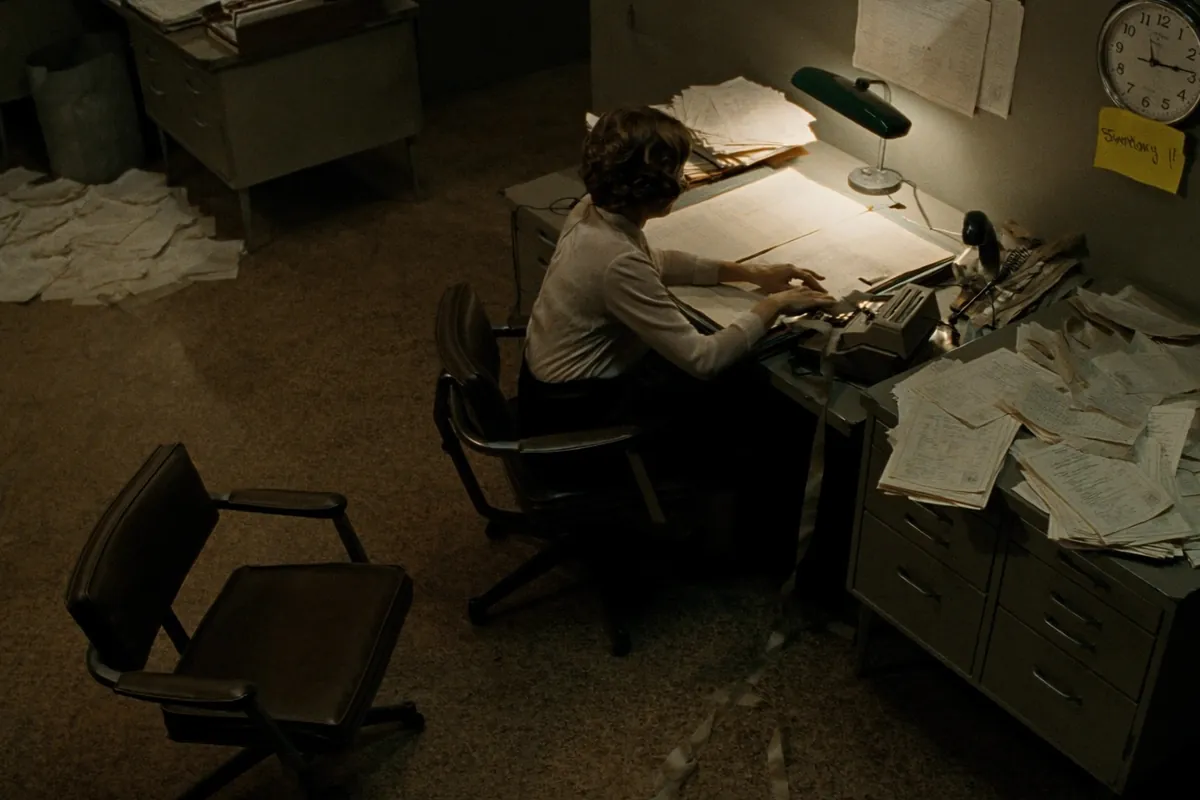
Who does this today.
The office manager or an admin, by hand, between everything else.
two to three hours a day across a small office.
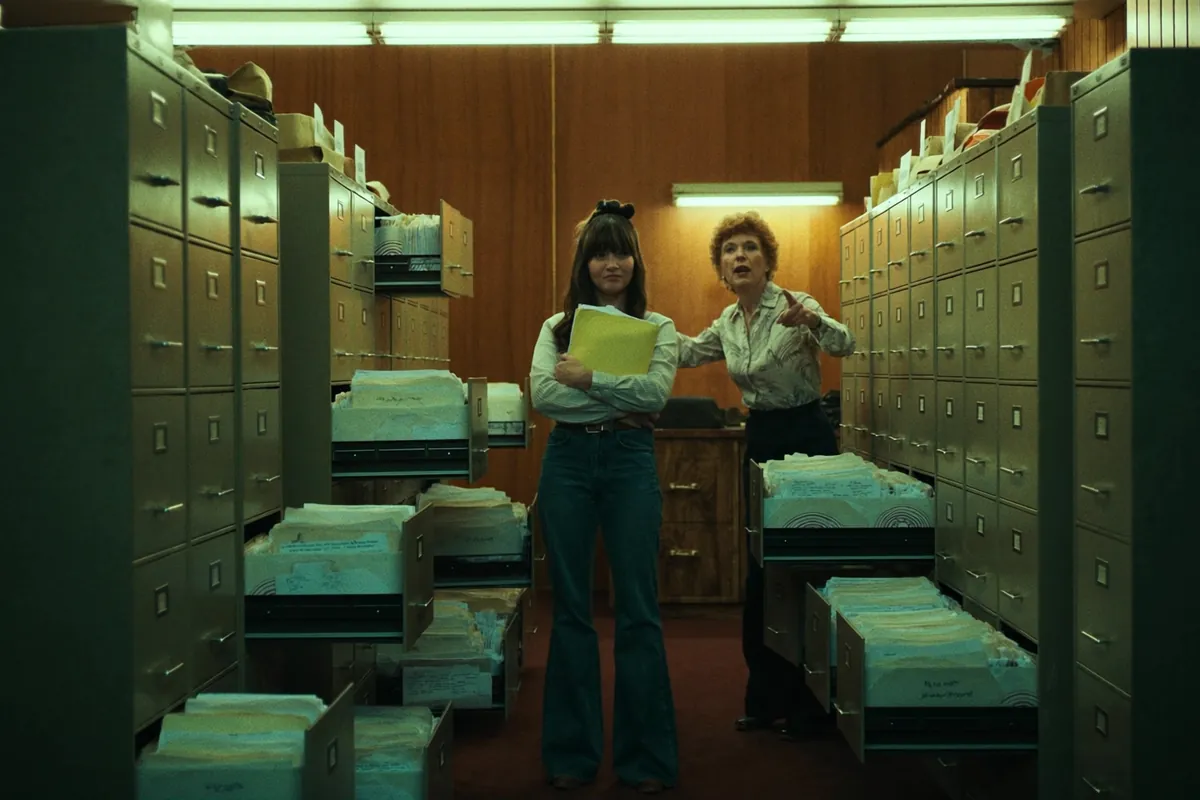
Then and now.
The job, done by hand.
| 8:02 | invoice 2214 arrived from a print vendor | read |
| 8:02 | vendor, date and amount read; client matched: the spring campaign, project 31 | matched |
| 8:02 | filed to project 31 / Costs / Vendor invoices with the project code, vendor and date in the name | filed |
| 8:03 | copy queued in Accounting for approval | queued |
| 8:09 | a signed proposal arrived; no project named in the email | review |
| 8:09 | sent to the review list with the two likely projects | waiting |
| 8:40 | the account manager moved it to project 28; move logged with her reason | corrected |
| 9:00 | morning summary: 14 filed, 1 reviewed, 0 failed | done |
The job, done by the system. See the operation
How big is your pile?
Preset to emails to file. Change the numbers to yours.
0 hours
a month your team gets back. About 0 working days a year.
Count × minutes ÷ 60. A projection from your numbers, not a measured result. On the call we check it against how your team really works.
Book a free 30-minute callBehind the curtain.
What a person sees
A short review list, once a day. Each item shows the document, the AI's best two guesses and one click to file it. A person's move is logged with a reason so the rule can be tuned.
What it may do alone
Files copies on its own. Never moves or deletes the original email. Never files money documents outside the accounting area.
Who answers for it
Runs under a service account with read access to mail and write access to the shared folders only. The log shows every file it touched and why. The owner can switch it off from the portal.
Whose work changes
The person who filed by hand now reads the review list (minutes, not hours) and corrects the rare miss.
- a signed proposal arrived; no project named in the emailDecide
- sent to the review list with the two likely projectsDecide
These four questions are our doctrine. They are answered in writing for every system before it runs.
The target we would agree.
Written down before we build. Measured against your own check.
Nine of every ten documents filed correctly without a person touching them, measured against your own spot check, within 60 days of launch.
On every build, we agree on a target with you before we start. If we miss it, we keep working at no extra cost.
Three questions.
Will it move my emails around?
No. It files a copy of the attachment and leaves the email where it was. Nothing is deleted.
What about the backlog?
It can file the backlog first, job by job, so the folders are complete before the daily run starts.
Our folder structure is a mess.
We start by fixing that with you. The filing rules come from the structure you want, not the one you have.
See it on your own pile.
Book a free 30-minute call. Bring one week of the pile; we'll show you what the system would have done with it.
Book my free call